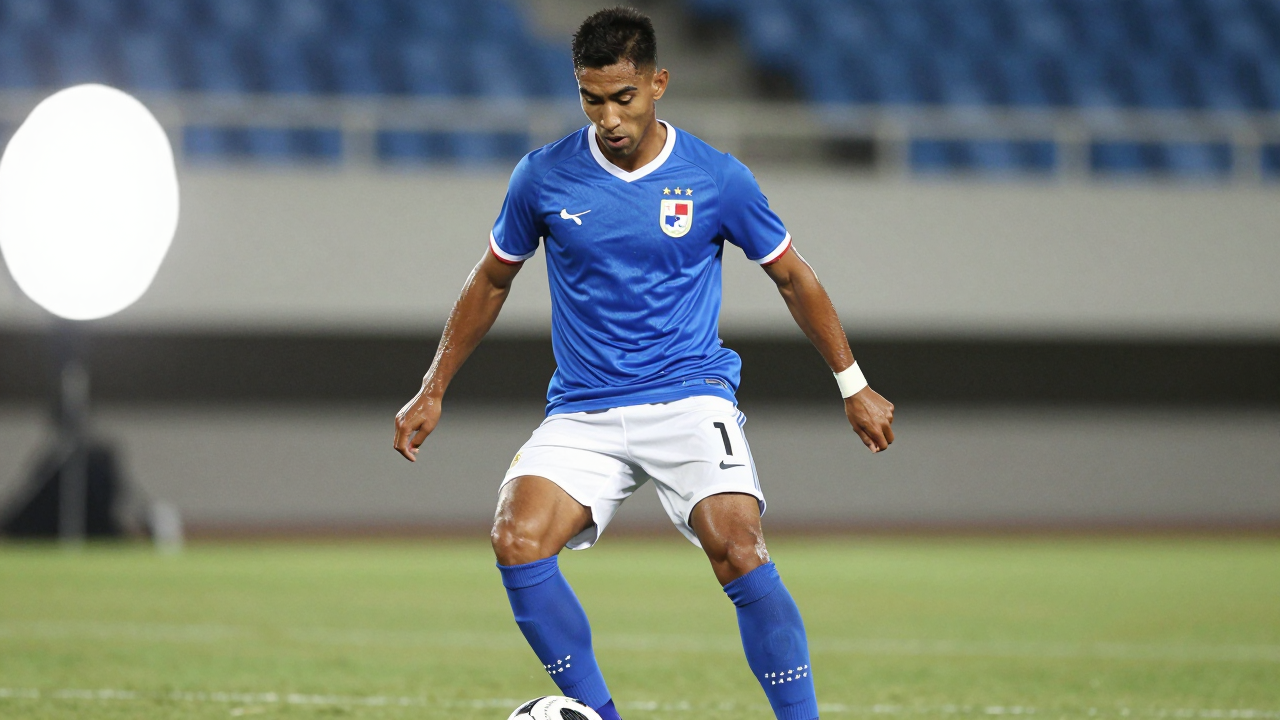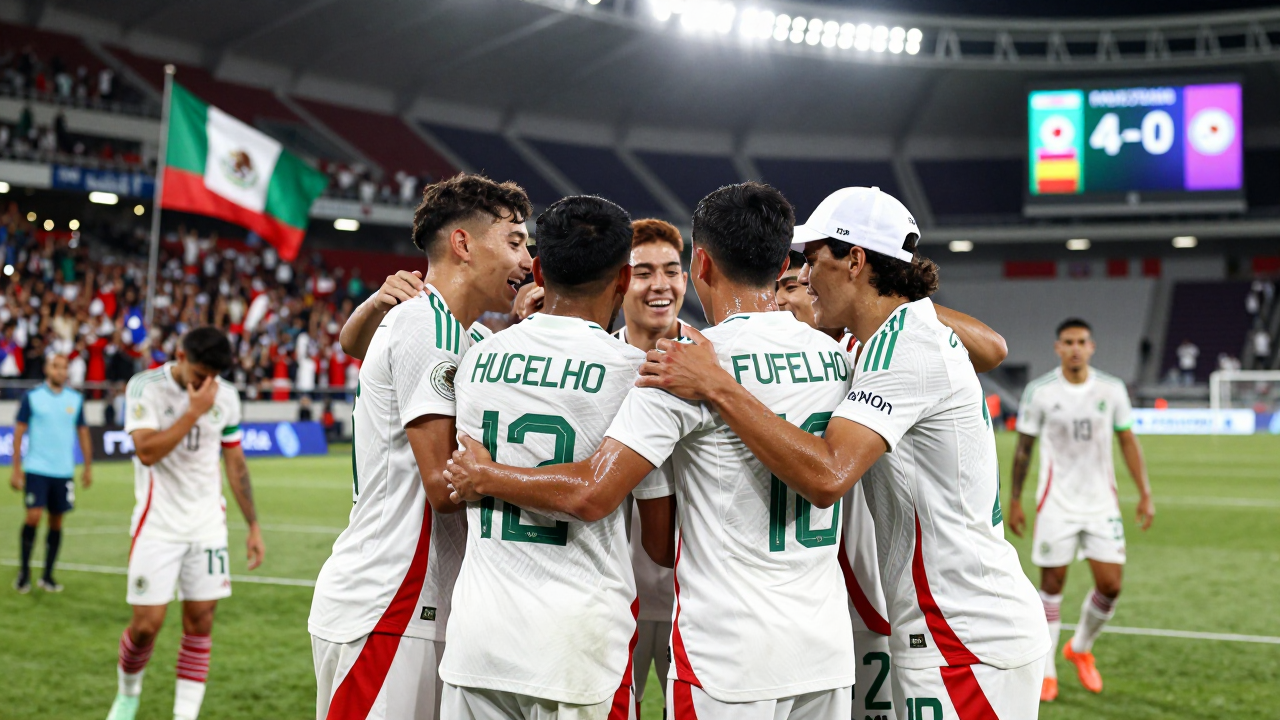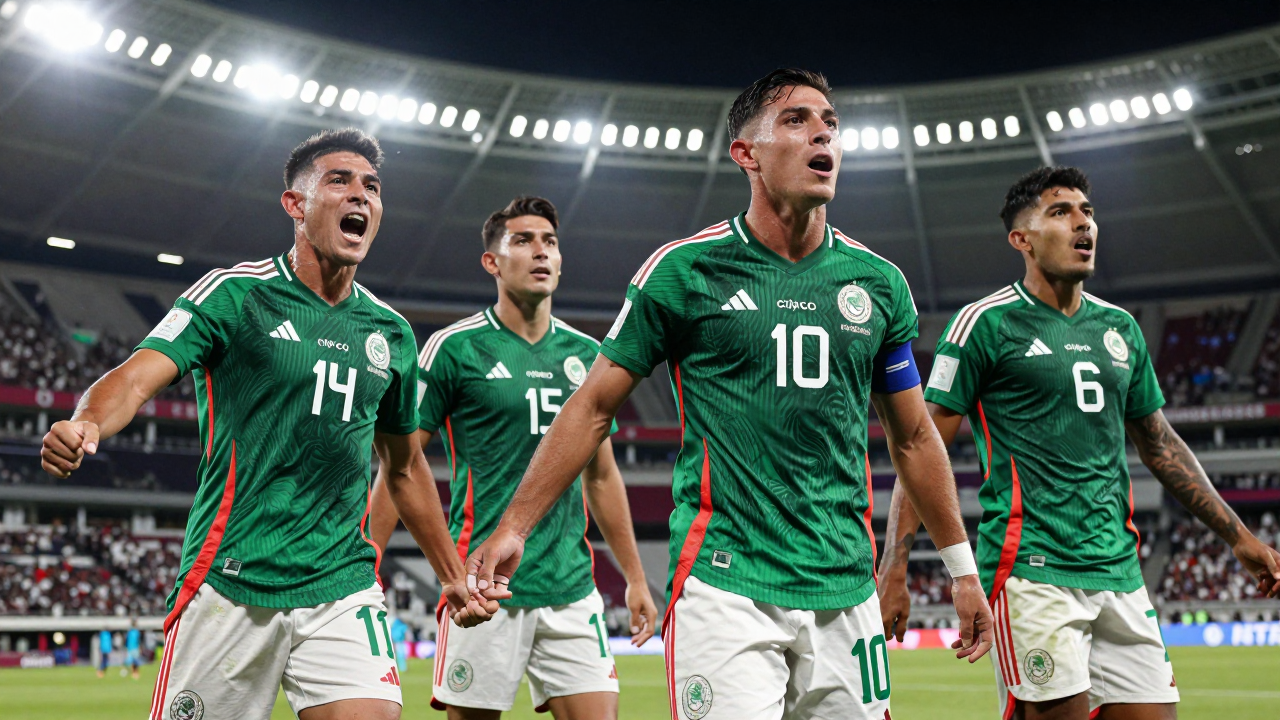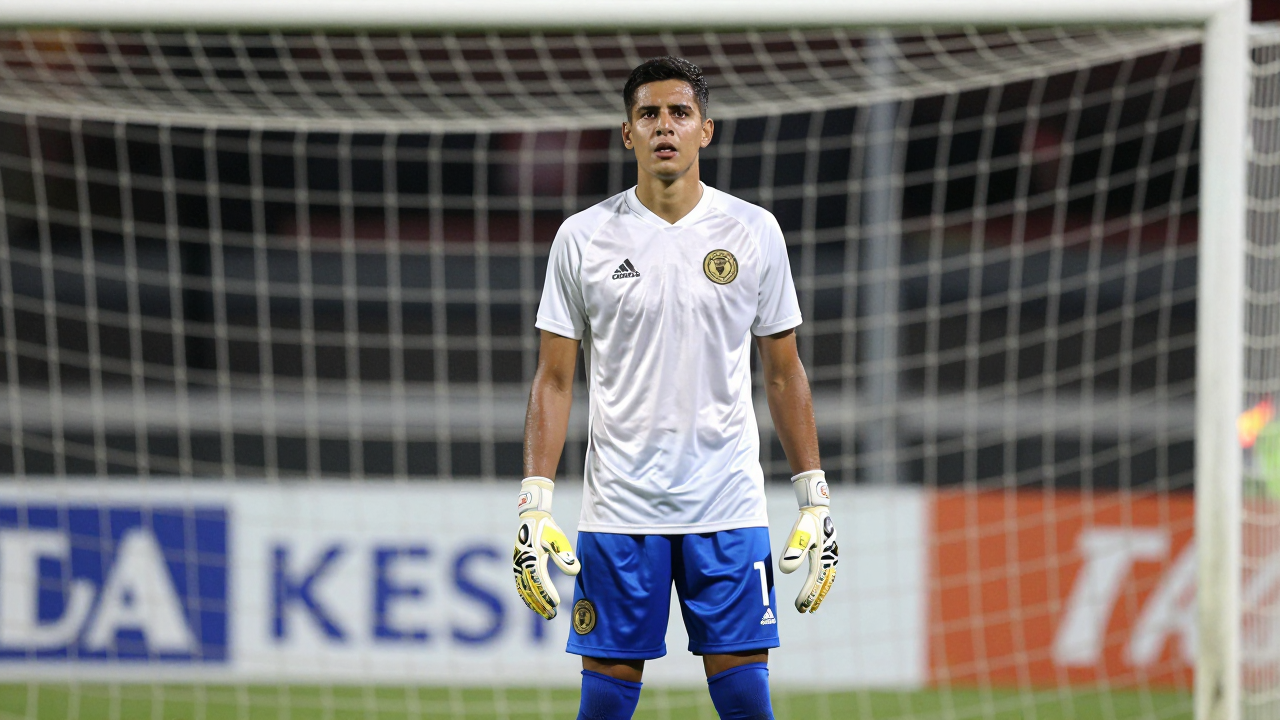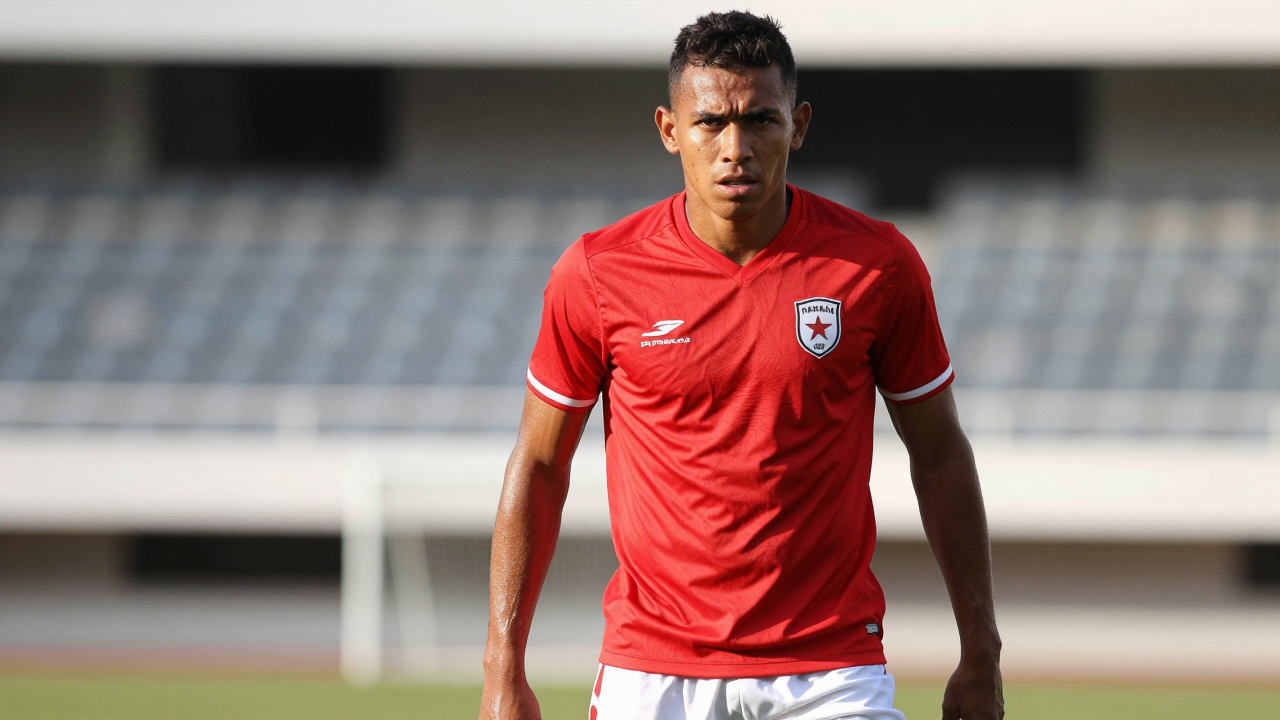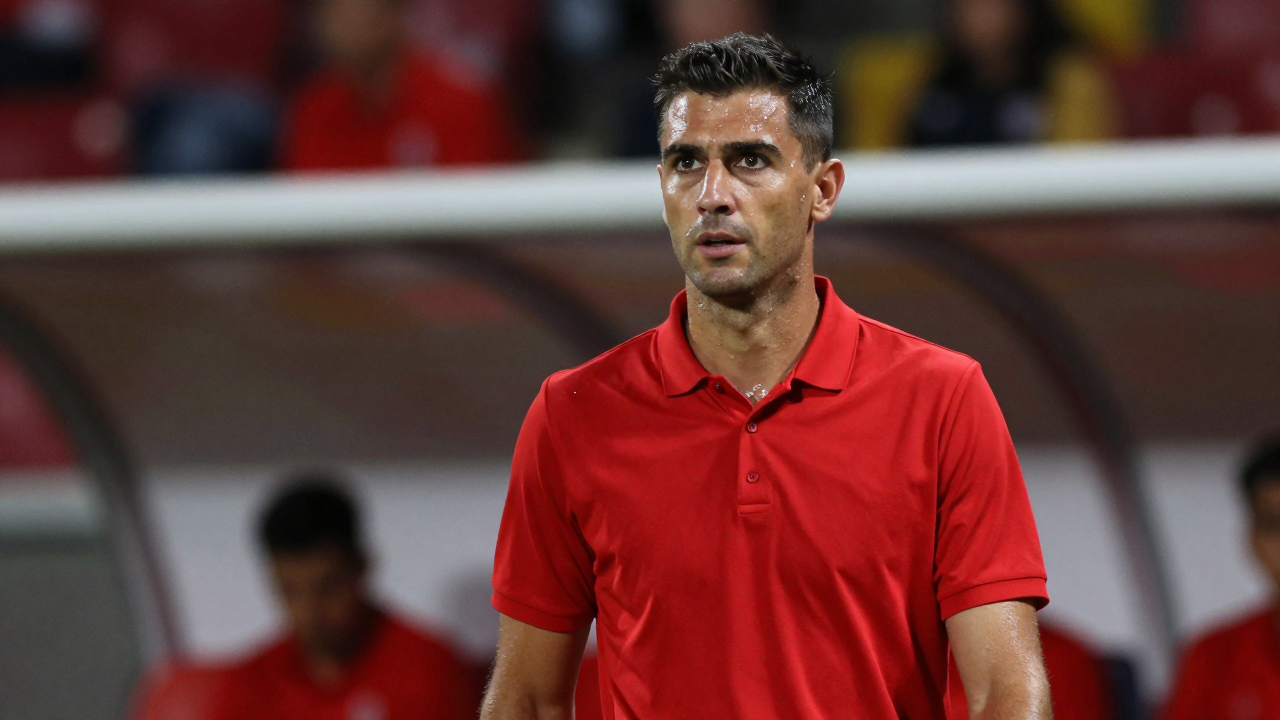
La Marea Roja has had an interesting path in their preparation for World Cup 2026. While the team has achieved satisfactory results in certain matches, it is evident that there are areas that require attention and tactical adjustments to face elite rivals. Defense has been a recurring theme, especially in how they organize during defensive transitions and high pressing.
One of the highlights in recent matches has been Panama's ability to maintain possession in midfield. However, the lack of movement from the forwards has limited attacking options, suggesting that increased fluidity in offensive positioning could generate more goal opportunities. Implementing a more dynamic style of play, with quick positional changes and off-the-ball runs, could be key to breaking down opposing defenses.
Additionally, using a 4-3-3 formation has proven effective, but it could benefit from an adjustment to a more compact formation, such as a 4-2-3-1 or 4-1-4-1, depending on the opponent. This would allow Panama to have greater control in midfield and provide more defensive support to the full-backs, who have often been exposed by quick attacks from opponents. Incorporating a more robust defensive midfielder could help shield the backline and improve ball recovery.
Another point to consider is the need to improve finishing. Despite creating opportunities, effectiveness in the final third has been inconsistent. Focusing on finishing during training, targeting specific situations like shots inside the box and set pieces, could be crucial to increasing the team's scoring ability.
Finally, the attitude and physical condition of the players will be crucial for successfully implementing these tactical adjustments. La Marea Roja needs to be in top form to execute a more aggressive and dynamic style of play, allowing them to be competitive on the world stage. With the remaining preparation time, it is vital for the coaching staff and players to align on these adjustments to take Panama to new heights in World Cup 2026.