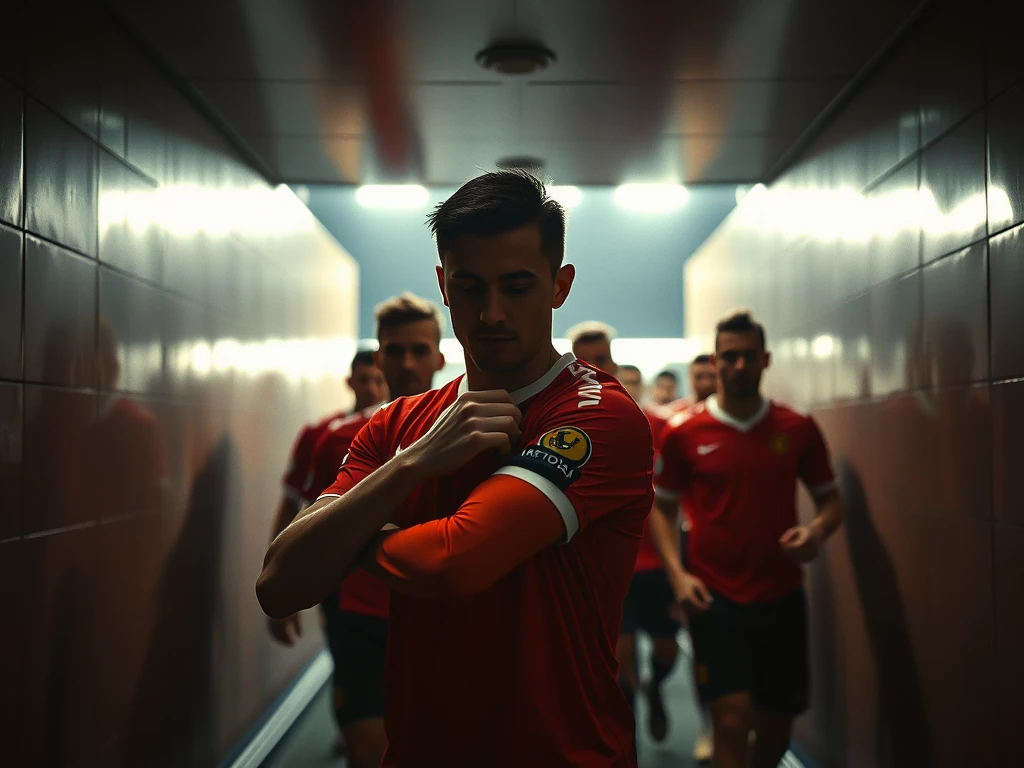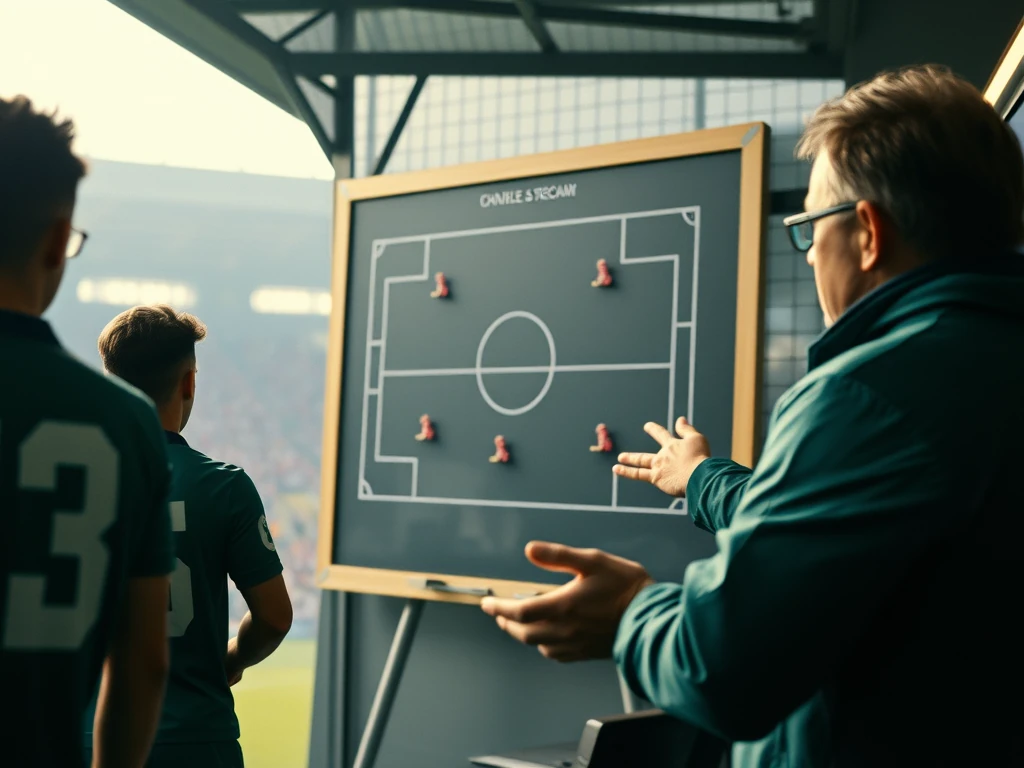
The 2013 Gold Cup became a turning point for Panamanian football. Under the guidance of coach Julio Dely Valdés, La Marea Roja surprised many with its dynamic playing style and ability to compete against continental powerhouses. With a blend of experienced players and young talents, the team managed to reach the semifinals, an unprecedented achievement in the country's history in this tournament.
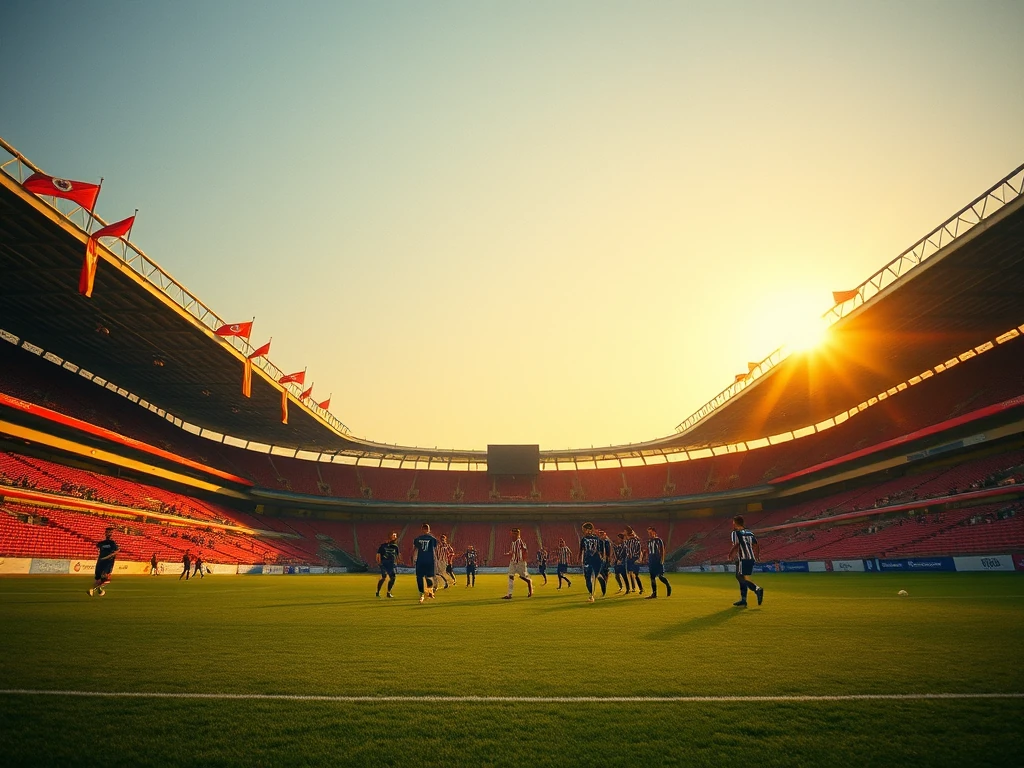
One of the most memorable moments of that tournament was the quarterfinal match against Mexico. La Marea Roja faced a Mexican team that, at that time, was considered one of the best in CONCACAF. Cowboys Stadium in Arlington, Texas, witnessed an epic performance, where the Panamanians showcased their determination and well-executed tactics. Although the match ended in penalties, the team's performance left an indelible mark on the history of Panamanian football.
The fans also played a crucial role in this tournament. La Marea Roja traveled in large numbers, creating a vibrant atmosphere at every match. The passion and support from the fans energized the players, who felt they were representing not just a team, but an entire nation. This connection between the team and its supporters translated into a performance on the field that still resonates in the hearts of Panamanians.
Success in the 2013 Gold Cup was not just a sporting milestone; it also helped solidify the identity of Panamanian football in the region. Media attention began to focus more on Panamanian talent, leading to an increase in the number of players seeking opportunities in international leagues. Furthermore, the team's performance inspired a new generation of footballers who dreamed of representing their country on the biggest stage in world football.
As we prepare for the 2026 World Cup, it is crucial to remember these historical moments that paved the way for football in Panama. The 2013 Gold Cup was not just a tournament; it was a revolution. La Marea Roja, with its indomitable spirit and overflowing passion, has become a symbol of hope and national pride, and the future of Panamanian football looks brighter than ever.